
How to Buy a Gun: Complete Beginner Guide (2026)
April 17, 2026Buying a firearm for the first time can feel confusing. Laws vary by country and state, paperwork can be intimidating, and safety should always be the top priority. This educational guide explains how to buy a gun legally and responsibly, step by step.
Whether your goal is home defense, sport shooting, or professional use, understanding the legal process is essential before making a purchase.
For official firearm safety basics, review the rules from the National Rifle Association:
https://gunsafetyrules.nra.org/
Step 1: Understand Why You Want a Gun
Before purchasing, clearly define your purpose. This will determine the type of firearm you should consider.
Common Reasons People Buy Guns
- Home defense
- Sport shooting / range practice
- Hunting
- Professional security work
- Competitive shooting
Your purpose influences the type, size, and caliber of firearm that suits you best.
Step 2: Learn the Gun Laws in Your Area How to Buy a Gun Legally
Gun laws vary widely across countries and regions. Some places require permits and training, while others allow purchase after a background check.How to Buy a Gun Legally
In the United States, federal regulations are enforced by the Bureau of Alcohol, Tobacco, Firearms and Explosives.How to Buy a Gun Legally
You can read legal requirements here:
https://www.atf.gov/firearms
Common Legal Requirements Worldwide
- Minimum age requirement
- Background checks
- Valid identification
- Waiting periods (in some regions)
- Purchase through licensed dealers
Always research local and national regulations before buying.
Step 3: Choose the Right Type of Gun
There are three main firearm categories for beginners:
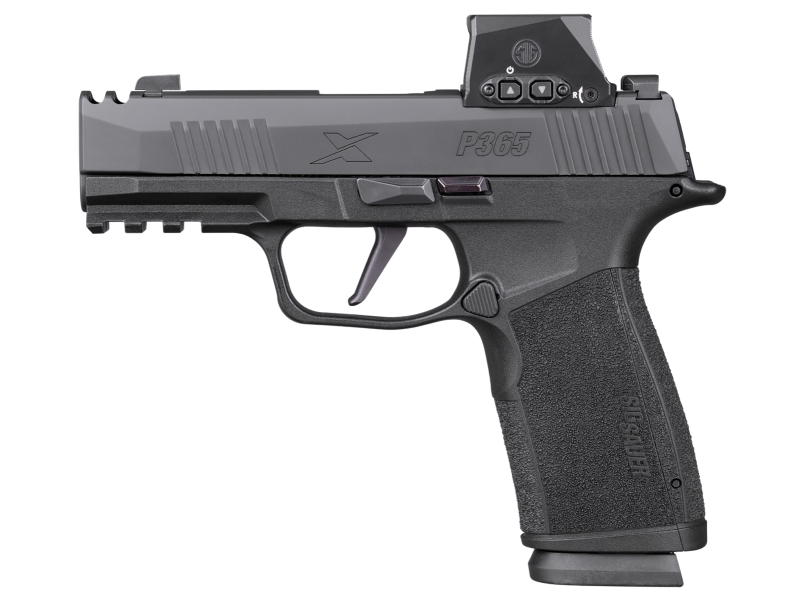
1. Handguns
Best for:
- Home defense
- Self-defense
- Range shooting
Advantages:
- Compact and easy to store
- Widely available
- Beginner-friendly options exist
2. Rifles
Best for:
- Hunting
- Long-distance shooting
- Sport shooting
Advantages:
- High accuracy
- Easier to aim
- Lower recoil (depending on caliber)
3. Shotguns
Best for:
- Home defense
- Hunting birds or small game
Advantages:
- Powerful at short range
- Simple operation
- Widely recommended for beginners
Step 4: Visit a Licensed Gun Dealer
Most legal gun purchases must be made through a licensed firearms dealer.
Why buy from a licensed dealer?
- Ensures legal compliance
- Provides professional guidance
- Handles background checks
- Offers warranty and support
This is the safest and most responsible way to buy a firearm.
Step 5: Complete the Background Check
In many countries, buyers must pass a background check before purchase.
In the U.S., checks are processed through the Federal Bureau of Investigation National Instant Criminal Background Check System (NICS).
Background checks typically review:
- Criminal history
- Domestic violence records
- Legal eligibility
- Identity verification
Approval can be instant or take a few days depending on the region.
Step 6: Understand Waiting Periods
Some jurisdictions require a waiting period between purchase and pickup.
Why waiting periods exist:
- Cooling-off period for impulsive purchases
- Additional verification time
- Promotes responsible ownership
Not all regions require waiting periods, but it’s important to check local laws.
Step 7: Take a Firearm Safety Course
Even when not legally required, training is strongly recommended.
A basic firearm course teaches:
- Safe handling
- Storage practices
- Proper shooting techniques
- Legal responsibilities
You can find training resources here:
https://www.nssf.org/safety/
Responsible ownership starts with education.
Step 8: Buy Essential Safety Equipment
A firearm purchase should always include safety gear.
Must-Have Accessories
- Gun safe or lock box
- Ammunition storage case
- Eye and ear protection
- Cleaning kit
Safe storage prevents accidents and unauthorized access.
Step 9: Learn Safe Storage Rules
Safe storage is one of the most important responsibilities of gun ownership.
Basic Storage Guidelines
- Keep firearms unloaded when not in use
- Store ammunition separately
- Use a locked safe or lock box
- Keep away from children and unauthorized users
Responsible storage reduces accidents and theft.
Step 10: Practice Regularly
Owning a gun responsibly means learning to use it safely and confidently.
Practice helps you:
- Build accuracy
- Improve confidence
- Learn safe handling habits
- Understand recoil and control
Regular training is a key part of responsible ownership.