
Flat Back Switch: What It Is, Legal Risks, and Why It’s a Serious Firearm Issue
March 6, 2026The keyword flat back switch has recently gained attention online, especially in discussions about firearm modifications. Many people searching for this term are trying to understand what it means, how it relates to modern handguns, and why it is frequently mentioned in news reports and legal discussions.
In this article, we’ll explain what a flat back switch refers to, how it relates to certain handgun platforms, and the major legal and safety concerns surrounding it. This guide is purely educational and informational, helping readers understand the topic without promoting illegal modifications.
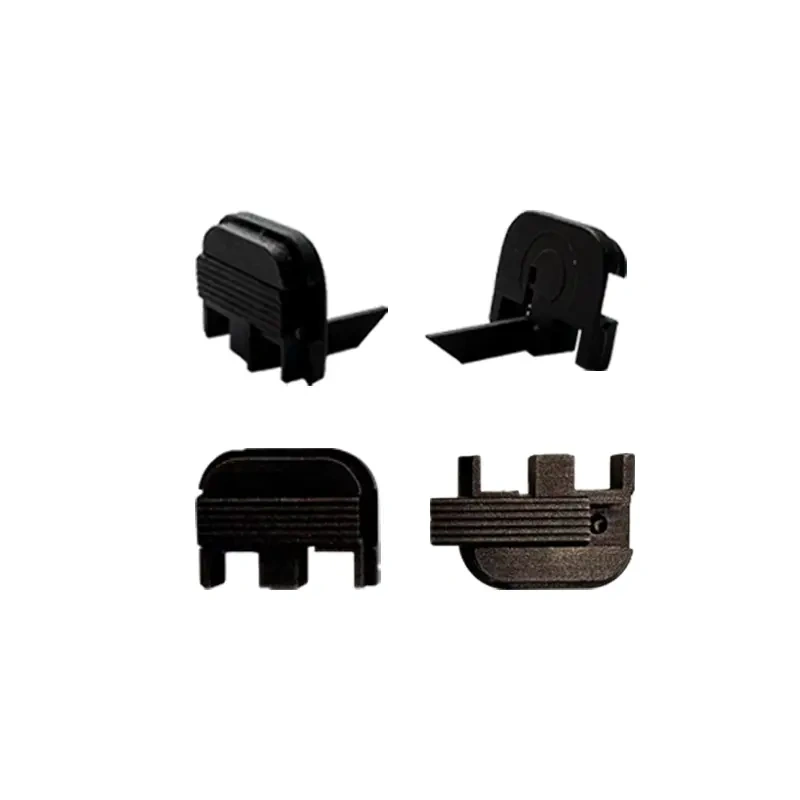
What Is a Flat Back Switch?
A flat back switch is commonly used to describe a type of auto-sear style device associated with certain handgun models, particularly those manufactured by Glock.
These devices are designed to alter how a pistol functions internally. When installed on some semi-automatic handguns—such as the popular Glock 19—they can change the firing mechanism so the firearm cycles continuously when the trigger is held down.
This effectively changes the firing behavior from semi-automatic (one round per trigger pull) to fully automatic operation.
Because of this capability, these devicglock switches are treated as machine gun conversion devices under U.S. law and are heavily restricted in many countries.
Why the Term “Flat Back Switch” Is Used
The phrase flat back switch usually refers to the shape or design style of the device. Some versions feature a flat rear surface compared with other designs that may have curved or extended components.
The terminology often appears in online marketplaces, forums, or videos discussing firearm accessories. However, it is important to undershttps://www.glock.com/tand that many of these listings or discussions may involve illegal products or misinformation.
The Legal Status of Flat Back Switch Devices
In the United States and many other jurisdictions, devices that convert a semi-automatic firearm into a fully automatic weapon fall under strict regulation.
Under the National Firearms Act and subsequent federal laws, any device designed to convert a firearm into a machine gun is legally classified as a machine gun itself.
Regulatory agencies such as the Bureau of Alcohol, Tobacco, Firearms and Explosives (ATF) treat these conversion devices as controlled items. Possessing, selling, or manufacturing them without proper authorization can lead to severe criminal penalties.
In many countries outside the United States, laws are even stricter, often banning such devices entirely.
Possible consequences can include:
- Large financial penalties
- Long prison sentences
- Permanent firearm ownership bans
Because of these risks, it is crucial for firearm owners to fully understand local firearm laws before purchasing any accessory or modification.
Why Flat Back Switches Are Controversial
There are several reasons why these devices generate controversy and attract attention from law enforcement and policymakers.
1. Increased Fire Rate
When a handgun operates in a fully automatic mode, the rate of fire increases dramatically. This can cause a pistol to discharge many rounds in a very short time.
Handguns are not typically designed for sustained automatic fire, which raises concerns about control, safety, and reliability.
2. Public Safety Concerns
Fully automatic firearms are more difficult to control due to recoil and rapid cycling. This can lead to inaccurate fire and increase the risk of unintended harm.
Because of these concerns, many governments strictly limit civilian access to automatic firearms.
3. Law Enforcement Attention
Reports from law enforcement agencies have highlighted cases where illegally modified firearms were used in criminal activity.
This has led to increased monitoring and enforcement actions regarding devices marketed under names like flat back switch, auto switch, or similar terms.
How the Internet Increased Awareness
Search interest in the keyword flat back switch has grown significantly in recent years. This is partly due to:
- Social media discussions
- Online videos showing firearm accessories
- News coverage of illegal firearm modifications
Unfortunately, online information is not always accurate. Some websites or videos may present misleading claims about legality or safety.
For this reason, firearm owners should rely on official regulatory sources and licensed dealers for accurate information.
Responsible Firearm Ownership
Understanding the risks surrounding a flat back switch is part of responsible firearm ownership. Most firearm manufacturers—including Glock—design their pistols specifically for safe semi-automatic operation.
Responsible ownership includes:
- Following all firearm laws and regulations
- Avoiding illegal modifications
- Using manufacturer-approved accessories
- Practicing safe handling and storage
Firearm safety training and proper education are essential for anyone who owns or plans to purchase a firearm.
Alternatives for Legal Firearm Performance
Instead of seeking illegal modifications, many firearm enthusiasts focus on legal ways to improve firearm performance and handling.
Common legal upgrades may include:
- Improved sights
- Grip enhancements
- Trigger upgrades approved by the manufacturer
- Optics mounts
- Holsters and training accessories
These types of upgrades can improve accuracy and usability without violating firearm regulations.
Final Thoughts on the Flat Back Switch
The term flat back switch refers to a type of firearm conversion device associated with turning certain semi-automatic pistols into automatic firearms. Because of its potential to drastically change how a firearm operates, it is highly regulated or illegal in many regions.
Anyone researching this topic should focus on education, safety, and legal compliance. Firearm laws vary widely between countries and states, and understanding those laws is essential for avoiding serious legal consequences.
Responsible firearm ownership means respecting both the technical design of the firearm and the laws governing its use.