
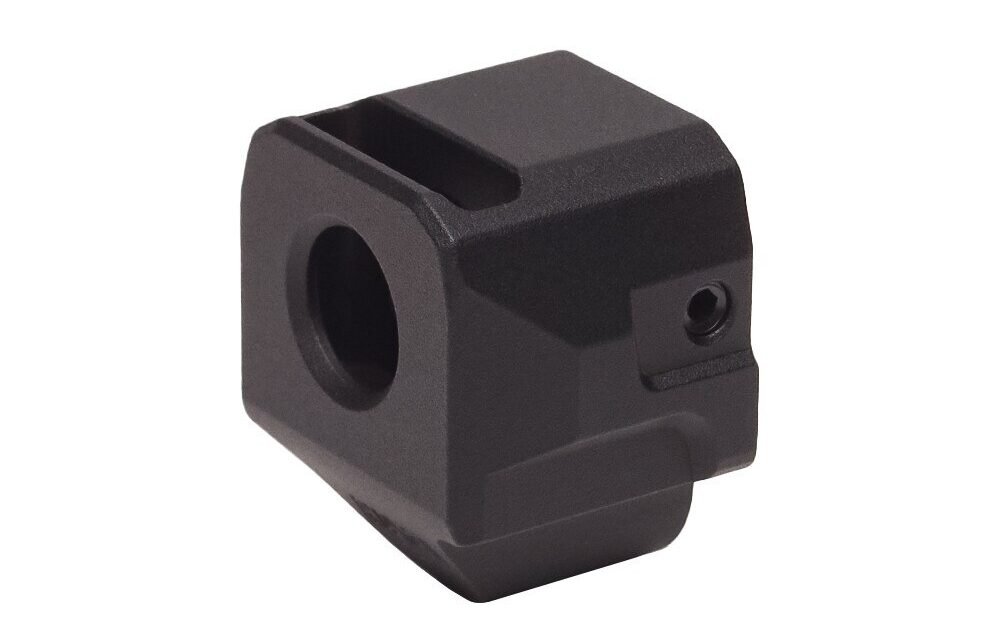
Glock Compensator: Complete Beginner to Buyer Guide
April 9, 2026If you’ve been searching for ways to reduce recoil and improve shooting speed, you’ve likely come across the term glock compensator. This upgrade has become extremely popular among competitive shooters, range enthusiasts, and firearm owners who want better control and accuracy.
This guide explains what a Glock compensator is, how it works, the benefits, and how to choose the right one.
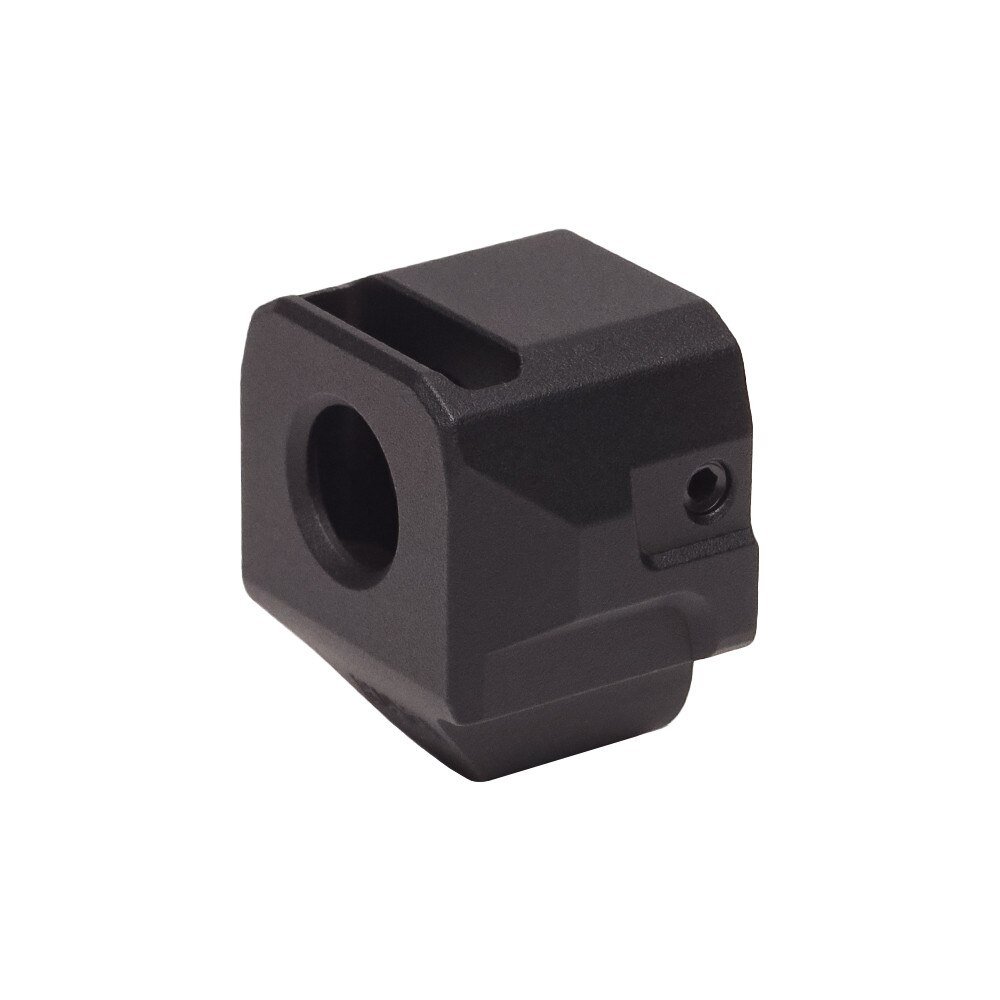
What Is a Glock Compensator?
A glock is a muzzle device attached to the barrel of a Glock pistol to reduce recoil and muzzle rise. It redirects gases upward and sideways when a shot is fired, helping keep the firearm stable.
Glock pistols are manufactured by Glock Ges.m.b.H., and many models support threaded barrels that allow easy compensator installation.
How a Glock Compensator Works
When a gun fires, expanding gases push the bullet forward and create upward force (muzzle flip). A compensator redirects those gases through vents.
Gas Redirection Process
- Bullet exits the barrel
- High-pressure gas follows
- Gas escapes through compensator ports
- Upward force is reduced
The result: flatter shooting and faster follow-up shots.
Why Shooters Buy a Glock Compensator
Interest in the glock continues growing because it improves real shooting performance.
1️⃣ Reduced Recoil
Less felt recoil makes shooting more comfortable and controlled.
2️⃣ Faster Follow-Up Shots
The muzzle stays flatter, allowing quicker target reacquisition.
3️⃣ Better Accuracy
Reduced muzzle rise helps maintain sight alignment.
4️⃣ Improved Shooting Confidence
Many shooters notice immediate improvement at the range.
Types of Glock Compensators
Choosing the right glock depends on your goals.
Single-Port Compensators
- Compact and lightweight
- Ideal for everyday range shooting
- Minimal added bulk
Multi-Port Compensators
- Maximum recoil reduction
- Popular in competition shooting
- Slightly larger profile
Hybrid Compensators
- Balance of size and performance
- Great for beginners upgrading their Glock
Glock Compensator vs Muzzle Brake
Many buyers confuse these two upgrades.
| Feature | Compensator | Muzzle Brake |
|---|---|---|
| Reduces muzzle rise | Yes | Yes |
| Reduces recoil | Yes | Stronger recoil reduction |
| Directs gas upward | Yes | Sideways mostly |
| Best for pistols | Yes | Less common |
For pistols, the glock is usually the better option.
Benefits of Using a Glock Compensator for Training
Improved Practice Sessions
Less recoil means longer, more comfortable range sessions.
Skill Development
A flatter shooting pistol helps beginners learn faster.
Competition Advantage
Many competitive shooters rely on compensators for speed and accuracy.
Things to Consider Before Buying a Glock Compensator
Before purchasing, consider these key factors.
Threaded Barrel Requirement
Most compensators require a threaded barrel to install.
Ammunition Performance
Compensators work best with standard or high-pressure ammunition.
Holster Compatibility
Some holsters may not fit a pistol with a compensator attached.
Who Should Buy a Glock Compensator?
A glock is ideal for:
- Range shooters wanting better control
- Competitive shooters seeking faster splits
- Glock owners upgrading performance
- Beginners wanting easier recoil management
If your goal is smoother shooting and improved accuracy, this upgrade makes a noticeable difference.
Pros and Cons of Glock Compensators
Pros
✔ Reduced recoil and muzzle flip
✔ Faster follow-up shots
✔ Improved accuracy
✔ Enhanced shooting comfort
Cons
✖ Requires threaded barrel
✖ Adds length to firearm
✖ Slightly louder blast
Final Thoughts: Is a Glock Compensator Worth It?
For many shooters, a glock is one of the most effective performance upgrades available. It improves control, boosts confidence, and enhances overall shooting experience.
If you want better recoil management and faster shooting performance, adding a compensator is a smart upgrade worth considering.