
Used Guns: The Complete 2026 Educational Guide to Buying, Selling & Staying Legal
March 4, 2026The market for used guns continues to grow as more buyers look for affordable firearm options, rare discontinued models, and investment pieces. Whether you’re a first-time buyer or an experienced collector, understanding how used guns work — legally and practically — is essential.
This guide explains everything you need to know in a responsible, educational way.
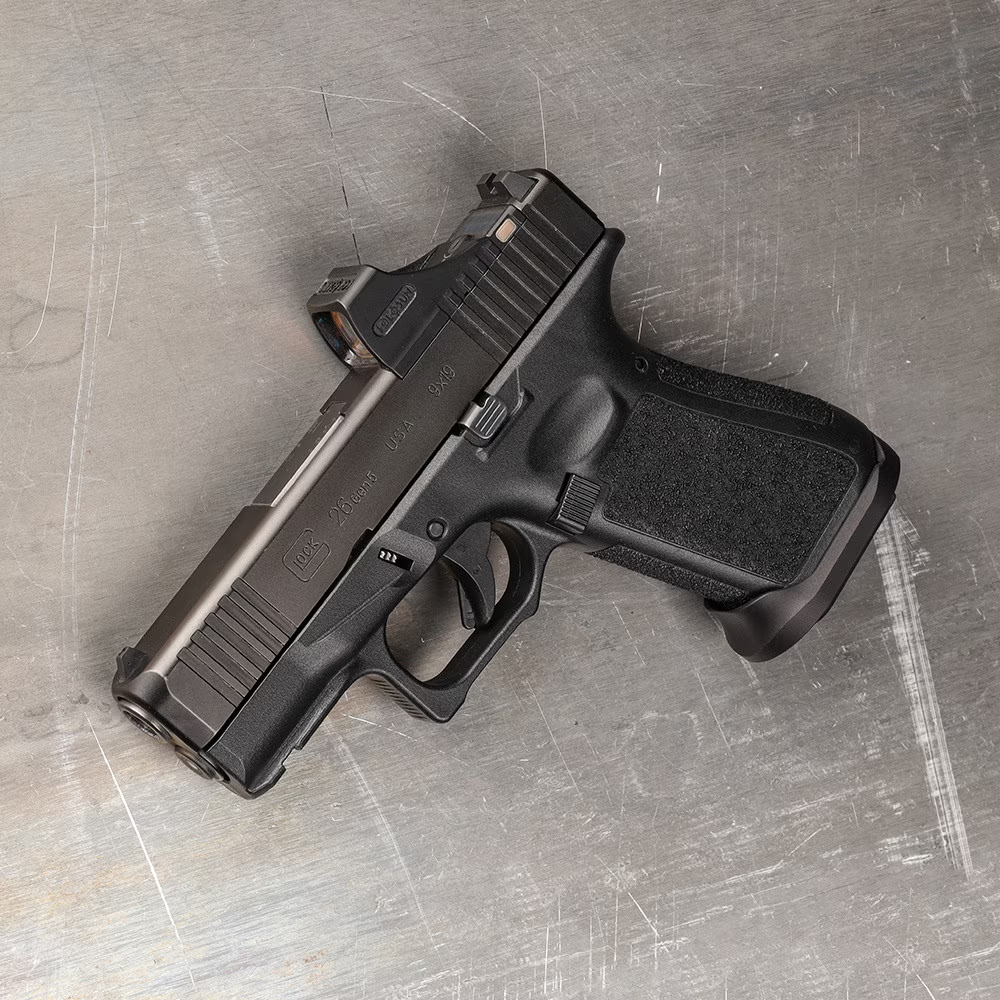
Why People Buy Used Guns
There are several legitimate reasons why buyers choose used guns:
- Lower purchase price
- Access to discontinued models
- Vintage or collectible firearms Proven reliability history
- Investment value
Many older firearms were built with high-quality materials and craftsmanship, making them desirable among enthusiasts.
Are Used Guns Legal to Buy?
In the United States, buying used guns is legal under federal and state laws — but regulations vary depending on location.
The Bureau of Alcohol, Tobacco, Firearms and Explosives (ATF) oversees federal firearm laws, including background checks and dealer licensing.
If purchasing from a licensed dealer, a background check is typically required under federal law. Private sale rules vary by state, so it’s important to check local regulations before buying.
For industry standards and firearm safety education, the National Shooting Sports Foundation provides helpful consumer resources.
Where to Buy Used Guns
Common legal sources include:
Licensed Firearm Dealers
Buying from a Federal Firearms License (FFL) dealer provides documentation and compliance with background check laws.
Gun Shows
Some sellers at gun shows are licensed dealers. Laws still apply.
Online Marketplaces
Online firearm marketplaces connect buyers and sellers but typically require shipment to an FFL dealer for legal transfer.
Estate Sales & Auctions
Collectors often find rare used guns through auctions and estate sales.
How to Inspect Used Guns Before Buying
When evaluating guns, focus on safety and functionality:
- 🔍 Check for rust, pitting, or barrel damage
- 🔍 Inspect the bore condition
- 🔍 Examine the trigger and safety mechanism
- 🔍 Confirm serial numbers are intact
- 🔍 Ask about maintenance history
If unsure, have a qualified gunsmith inspect the firearm before purchase.
Are Used Guns Safe?
Used guns can be safe if:
- They are mechanically sound
- They are properly maintained
- They are handled responsibly
- All local and federal laws are followed
Firearm safety training is strongly recommended for all owners. Organizations like the National Rifle Association offer safety courses and education programs.
Pros and Cons of Used Guns
Advantages
- Lower cost
- Potential collectible value
- Older craftsmanship
- Immediate availability
Considerations
- Unknown usage history
- Possible wear and tear
- Limited or no warranty
- Must verify legal compliance
Used Guns as Investments
Certain firearms appreciate in value over time, particularly:
- Discontinued models
- Limited production runs
- Historical or military firearms
- Collector-grade condition pieces
However, values depend on market demand, condition, and legal factors.
Responsible Ownership Matters
Owning guns comes with responsibility:
- Store firearms securely
- Use gun safes or lock devices
- Follow safe handling rules
- Understand transport laws in your state
- Never modify a firearm illegally
Federal firearm guidelines can be reviewed through official government sources to stay compliant.
Final Thoughts
The market for guns offers affordability, history, and collectible opportunities. However, education and legal awareness are essential. Always research local regulations, inspect firearms carefully, and prioritize responsible ownership.
With proper knowledge and compliance, guns can be a practical and valuable option for many buyers.